Emperor Penguin
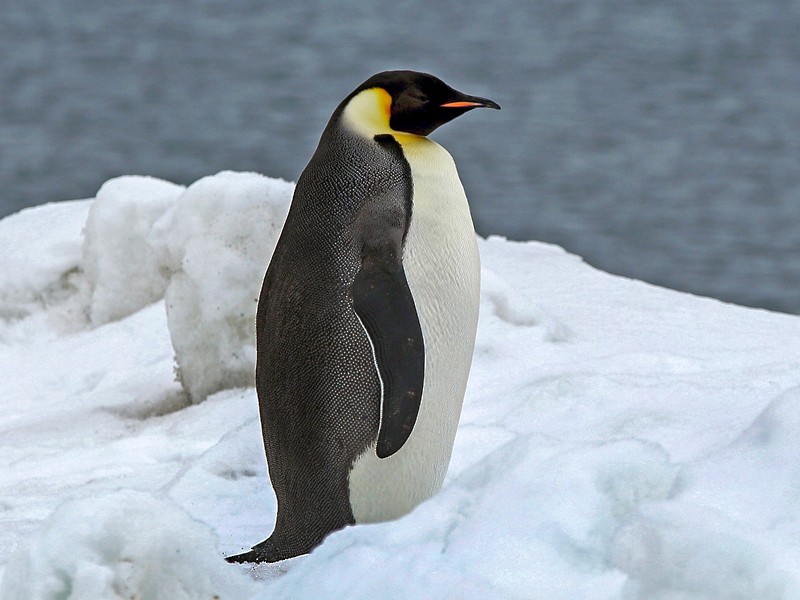
The Emperor Penguin is the largest of all living penguin species. It is native to Antarctica.
Fun Facts:
- Emperor Penguins can grow up to 4 feet tall.
- They can dive to depths of over 500 feet in search of food.
- During the harsh Antarctic winter, male Emperor Penguins incubate the eggs while the females hunt for food.
King Penguin
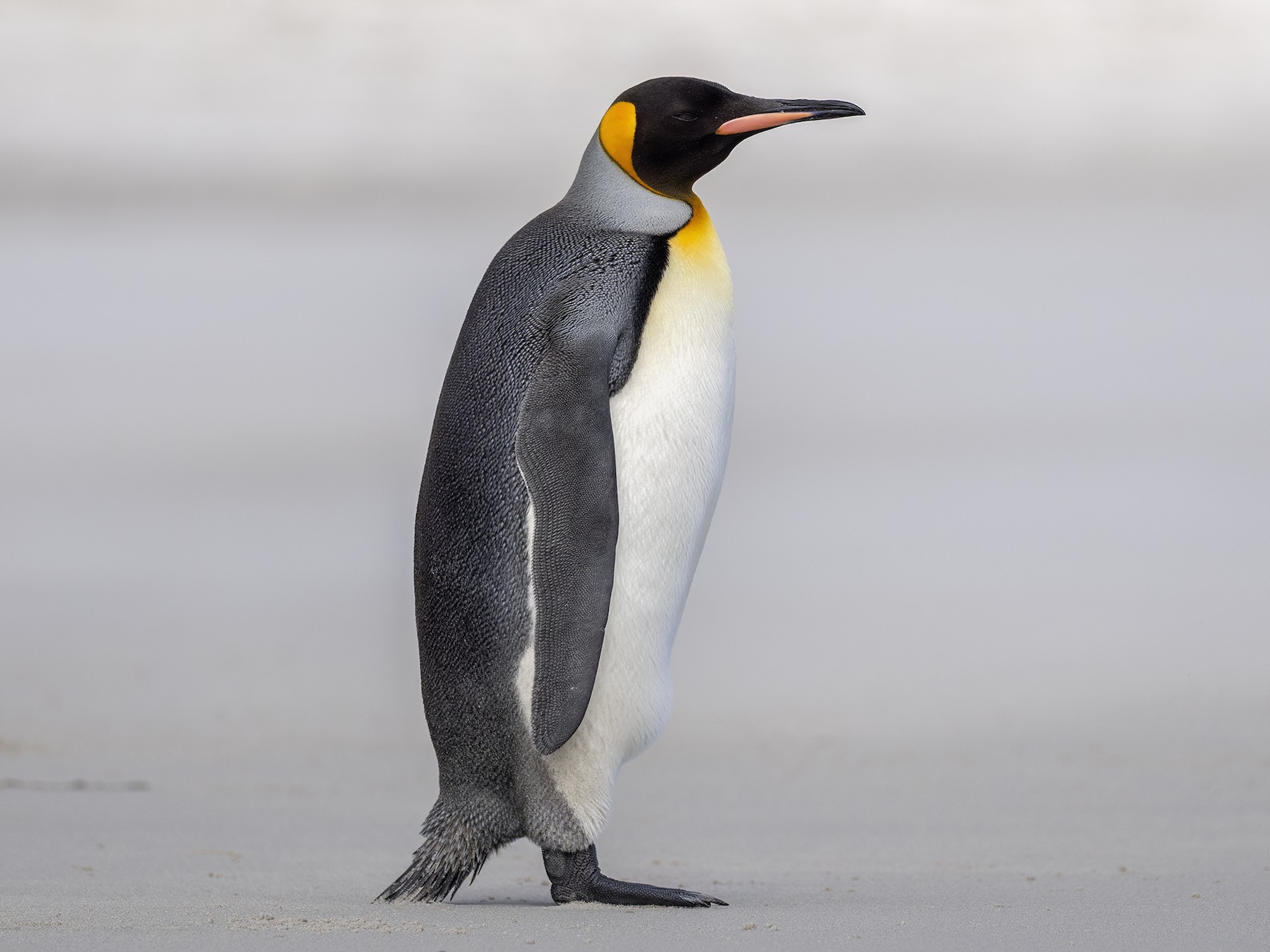
The King Penguin is the second largest penguin species and is found on sub-Antarctic islands.
Fun Facts:
- King Penguins have a distinctive orange patch on their necks.
- They are excellent swimmers and can stay underwater for up to 2 minutes while diving for fish.
- Unlike most other penguins, King Penguins do not breed during the winter.
Adelie Penguin
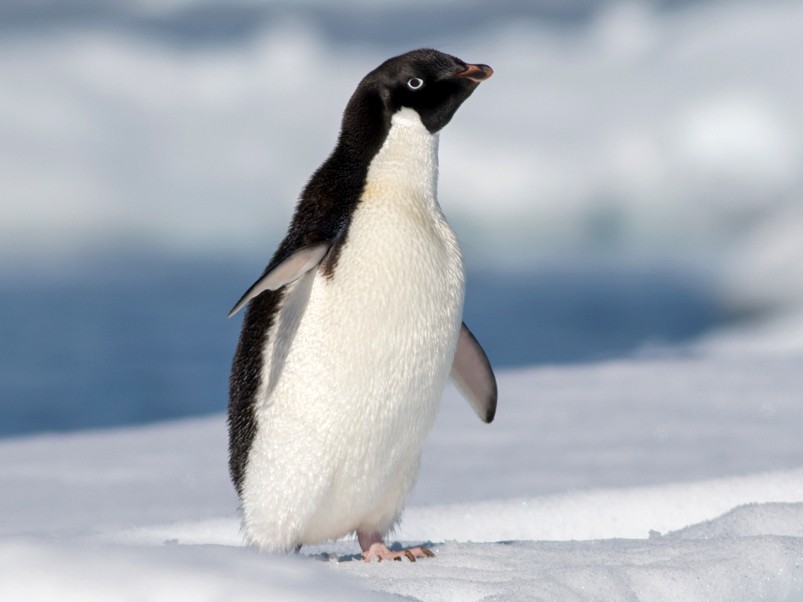
The Adelie Penguin is known for its distinctive white ring around its eye and is also native to Antarctica.
Fun Facts:
- Adelie Penguins are one of the most common penguin species in Antarctica.
- They build their nests using stones and are known to steal stones from each other's nests.
- Adelie Penguins can travel up to 50 miles in a day in search of food.
Little Blue Penguin
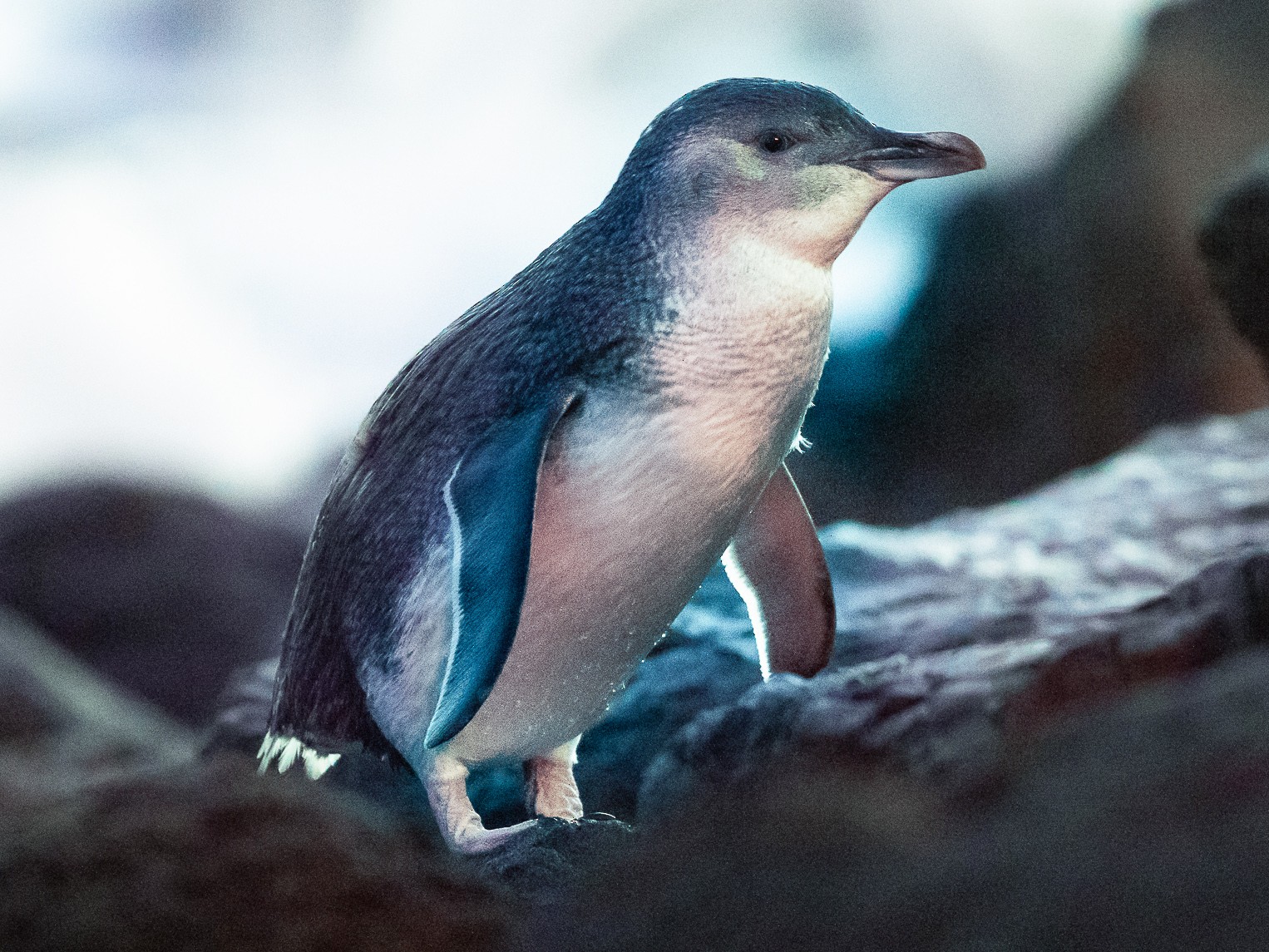
The Little Blue Penguin is the smallest of all penguin species and is found along the coastlines of Australia and New Zealand.
Fun Facts:
- Little Blue Penguins are also known as Fairy Penguins.
- They are nocturnal and spend most of the day at sea hunting for food.
- Despite their small size, they are very agile swimmers and can reach speeds of up to 15 mph underwater.
Galapagos Penguin
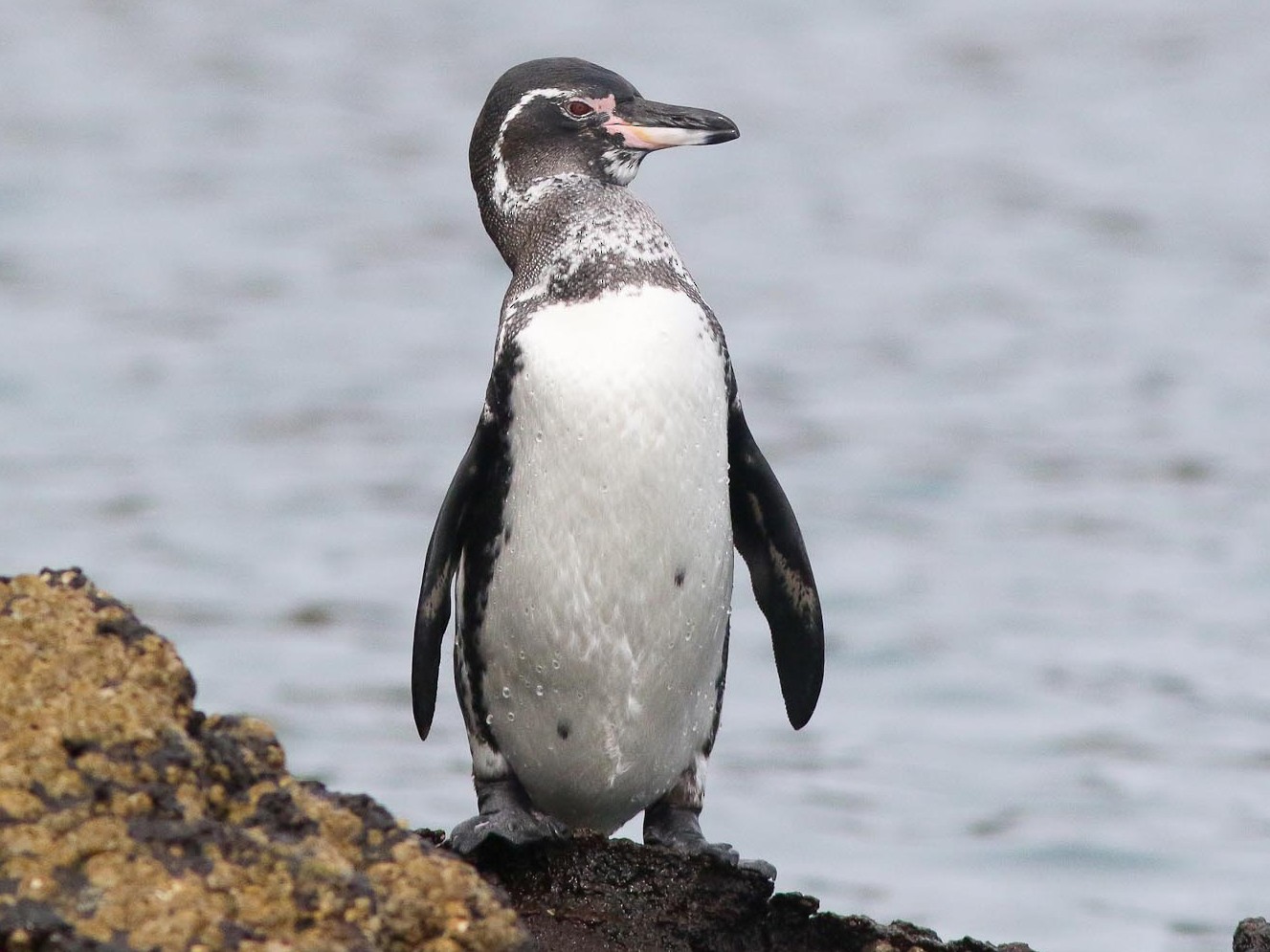
The Galapagos Penguin is native to the Galapagos Islands and is the only penguin species found north of the equator.
Fun Facts:
- Galapagos Penguins are adapted to warm climates and have fewer feathers than other penguins to help regulate their body temperature.
- They are one of the smallest penguin species and are highly endangered.
- Galapagos Penguins can dive to depths of over 50 feet in search of fish.
African Penguin
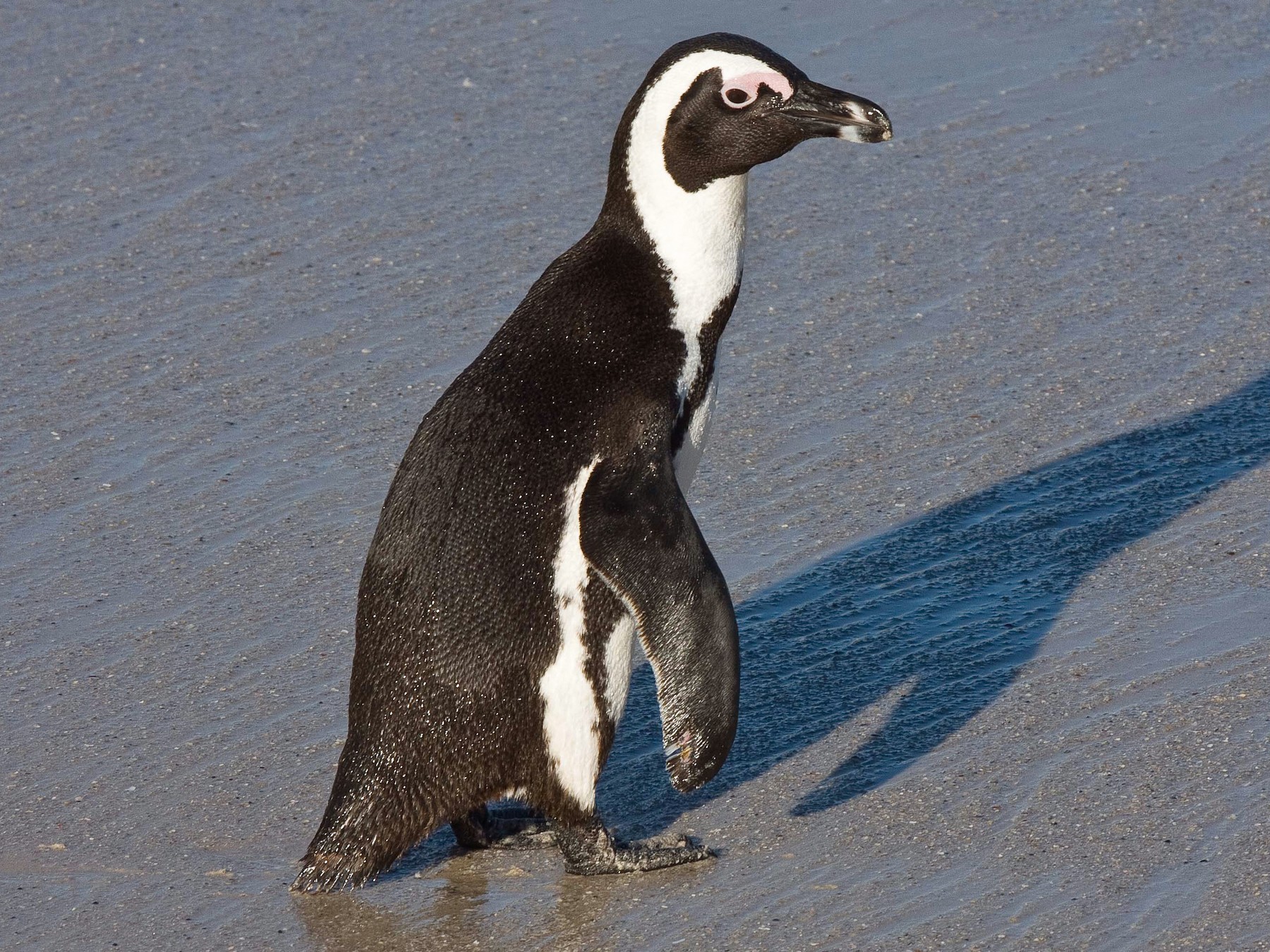
The African Penguin, also known as the Jackass Penguin, is found along the southwestern coast of Africa.
Fun Facts:
- African Penguins are named for the donkey-like braying sound they make.
- They have a distinctive black line that runs from their beak to their eye, which is unique to each individual.
- African Penguins are endangered due to habitat loss and oil spills, but conservation efforts are ongoing to protect them.